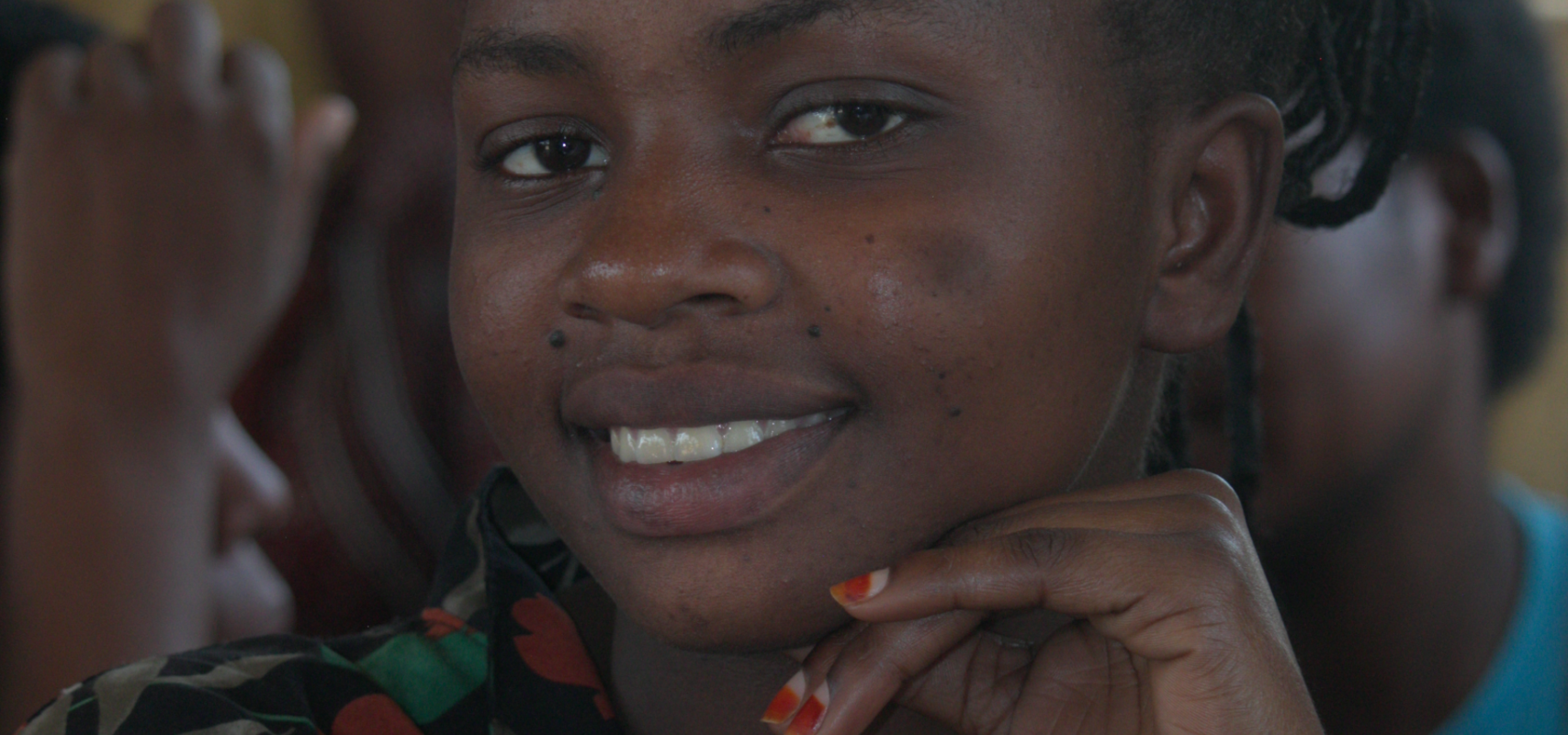
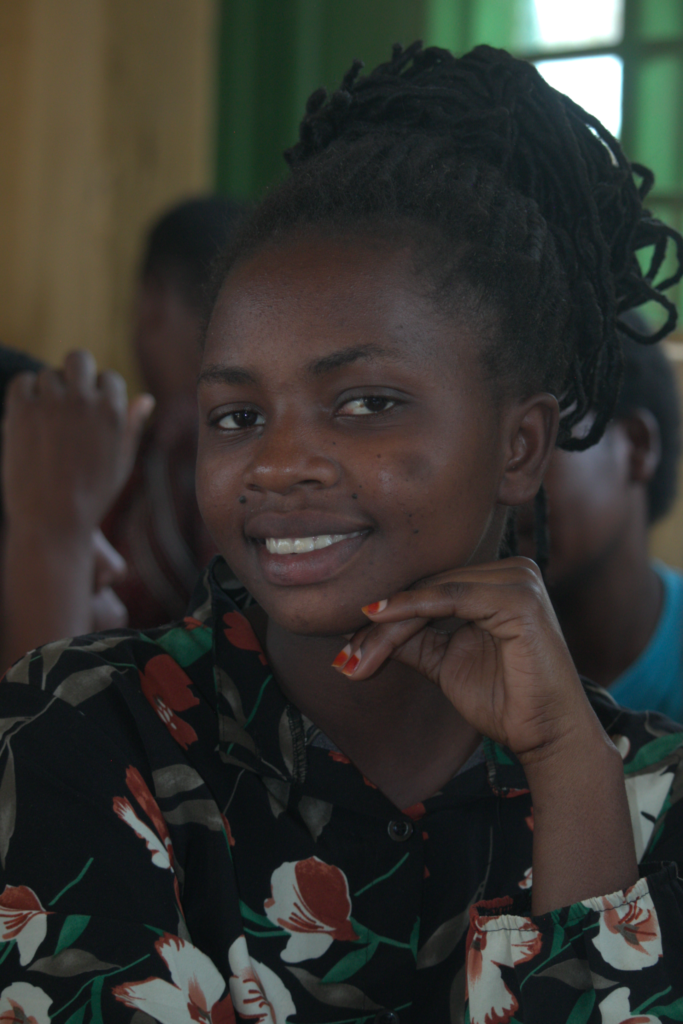
On July 29, 2024, Öraculi Program Africa took its first step into the community with a simple mission: to ensure that girls had access to the menstrual health information and products they needed to manage their periods with dignity.
In partnership with Always Sanitary Pads, the organization conducted its inaugural menstrual health outreach in Gashora, Bugesera District, reaching girls with comprehensive menstrual health education and distributing 1,500 sanitary pads.
The numbers tell one part of the story.
1 outreach.
1 community.
1,500 sanitary pads distributed.
But impact is rarely captured by numbers alone.
Listening Beyond the Statistics
The outreach was designed around an understanding that menstrual health is deeply connected to education, confidence, health, and dignity.
Participants engaged in conversations about topics often surrounded by silence: navigating a first period, understanding menstrual flow and the menstrual cycle, maintaining proper hygiene, and the importance of nutrition and self-care during menstruation.
Then, the conversation shifted.
During an interactive question-and-answer session, girls began sharing concerns and asking questions about their experiences. What started as a structured health session became something more powerful, a safe space.
Hands continued to rise.
Questions that had previously gone unanswered found room to be voiced.
For the Öraculi Program Africa team, this moment offered an important insight: access to menstrual products was only one part of the challenge.
There was also a gap in knowledge.
A gap in confidence.
And, in many cases, a lack of safe and trusted spaces where girls could ask questions about their bodies without fear of shame or judgment.
The Insight That Shaped Our Approach
The 1,500 sanitary pads distributed that day provided immediate support.
The conversations provided something equally important: direction.
The experience reinforced a principle that continues to inform Öraculi Program Africa’s work:
Menstrual dignity requires both access and understanding.
A girl may receive a sanitary pad, but without accurate information, she may still navigate menstruation with fear and uncertainty.
Equally, a girl may understand her menstrual cycle but lack access to the products needed to manage it safely and confidently.
Sustainable change, therefore, requires both.
Literacy and equipment.
Education and access.
Information and dignity.
This integrated approach has become central to how we understand the fight against menstrual poverty.
From Distribution to Sustainable Impact
For many communities, menstrual poverty is often reduced to a question of affordability.
Our experience in Gashora demonstrated that the reality is broader.
Menstrual poverty exists at the intersection of multiple barriers: limited access to affordable menstrual products, inadequate health information, stigma, cultural silence, and insufficient support systems.
Addressing one barrier while leaving others untouched risks creating only temporary solutions.
That is why our work extends beyond product distribution.
We believe menstrual health interventions must create environments where girls are not only equipped with products but empowered with knowledge, confidence, and agency.
Why Continued Investment Matters
The outreach in Gashora was our beginning, not our conclusion.
The questions raised that day revealed a continuing and urgent need for sustained investment in menstrual health education and access to essential products.
There are still girls experiencing their first periods without understanding what is happening to their bodies.
There are students navigating school days without reliable access to menstrual products.
There are questions being carried silently because stigma has made menstruation difficult to discuss openly.
These realities cannot be transformed through a single outreach.
They require long-term partnerships, community engagement, sustained programming, and investment in solutions that place girls at the center.
The Opportunity Ahead
For partners and supporters, investing in menstrual health is an investment that extends far beyond a single product.
It contributes to healthier, more informed, and more confident girls.
It supports learning environments where menstruation does not have to become a source of anxiety or exclusion.
And it strengthens communities by challenging the stigma and silence that allow menstrual poverty to persist.
Our experience in Gashora affirmed what we continue to believe:
When a girl has access to the right information and the resources to act on it, menstruation should never stand between her and her future.
Looking Forward
July 29, 2024, will always remain significant in the story of Öraculi Program Africa.
It was our first outreach.
Our first opportunity to listen.
And our first reminder that meaningful impact begins not only with identifying a problem, but with listening to those living it.
We arrived with 1,500 sanitary pads.
We left with something far more valuable: a clearer understanding of the work ahead.
The journey to end menstrual poverty will require more than one organization, one intervention, or one community.
It will require collective action.
It will require sustained investment.
And it will require a commitment to ensuring that every girl regardless of her circumstances has the knowledge, products, and support she needs to manage her menstruation with dignity.
This was where our journey began.
And there is still so much more to do.
Join Us in Making a Difference
Support our outreach missions or volunteer with our team to help more young girls access health and dignity.